Marine Ecosystem Correlation with Sharks
Take a look at how the marine ecosystem impacts shark life.
Why sharks?
Most people have a sense of curiosity sparked by many things in the world, and usually the coolest part is when it's triggered by aspects that aren't totally everyday — things we don't have full access to understand and discuss. Animals, nature, the universe, the galaxy, etc. are all sources of curiosity. The fact that we don't have complete access to them is what makes curious people feel drawn to uncovering what lies behind so much mystery.
I went through this phase with sharks, and the reason is completely ridiculous. I always found it interesting that there's an animal feared and crowned as the King — the lion — so I started (a long time ago) to wonder who the "king" of the seas would be. The ocean, to me, has always been fantastic. It's very enigmatic. The fact that it makes up most of the Earth and yet our knowledge of it is minuscule is bizarrely cool. Throw in an animal that's fascinating, living in an even more absurd place... forget it. It's a full package.
Alright, great. But what would be a basic introduction to these guys? First, let's start by getting some context about aquatic environments in general. This becomes increasingly interesting once you discover that sharks can be found in many types of water — both salt water and fresh water.
The Marine Ecosystem
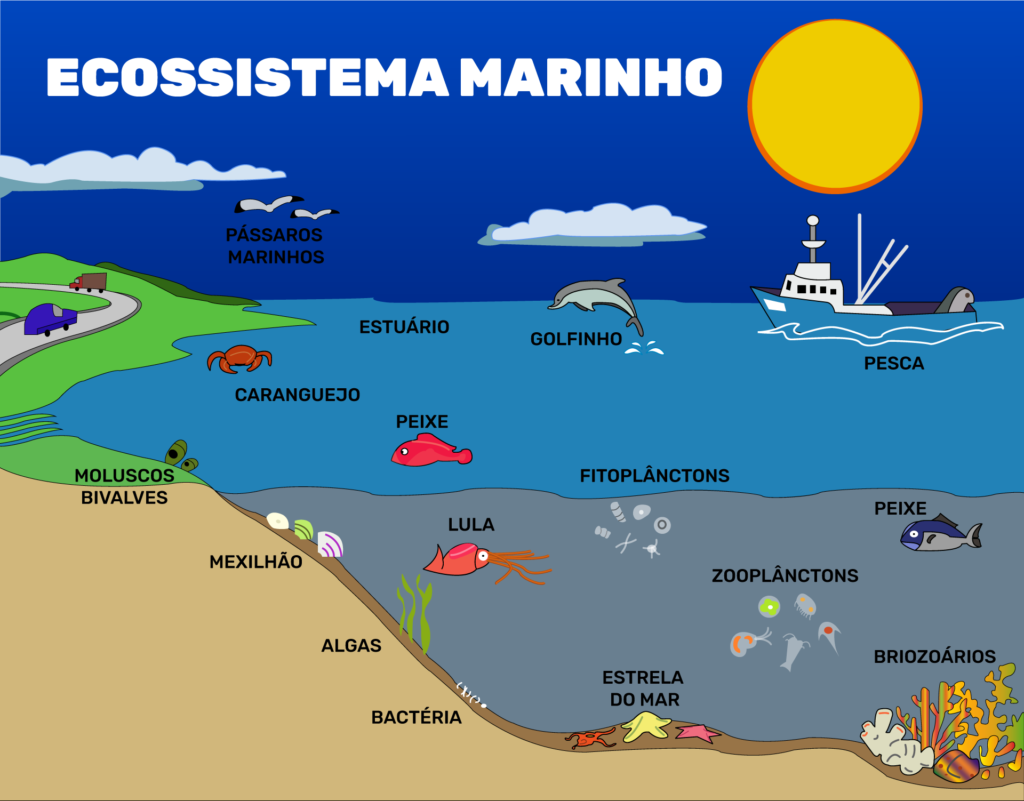
The marine ecosystem shows massive differences due to factors like salinity, temperature, depth, and light. This causes habitats to be segmented and to have their own rules and strategies for marine life in general. That includes, of course, our shark friends. All of these factors impact them in different ways, but following a common thread, so let's dive into them.
Salinity and Osmoregulation
Marine environments have an average salinity level, and this characteristic is crucial — because their blood and body tissues (like those of other cartilaginous fish) contain a lot of urea and trimethylamine, which keeps them in balance with seawater. Basically, this adaptation greatly restricts sharks to being almost exclusively ocean dwellers, since freshwater would be lethal to them.
The thing is, there are exceptions — like the Bull Shark (also called the cub shark), one of the most aggressive and dangerous species. These guys developed the ability to alter their kidney function to excrete excess urea, which allows them to invade transitional zones like estuaries (where freshwater dilutes saltwater) and even rivers. We'll talk about this one and others like it another time.
Depth and Light
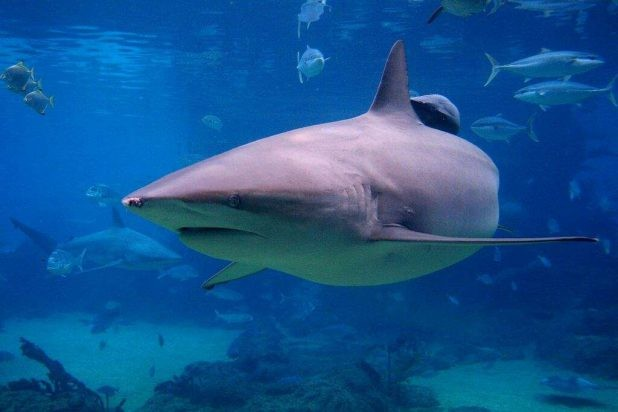
The ocean itself is vertically segmented, and light pretty much dictates the ecological niches and feeding patterns too. This impacts sharks based on the zones that feature different types, for example:
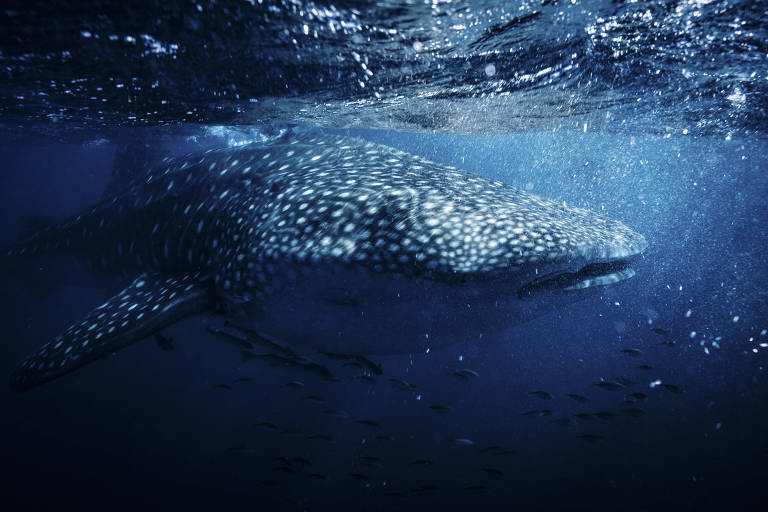
- Surface: This is the illuminated layer and home to the famous phytoplankton, fish, and marine mammals. Some sharks like the whale shark and basking shark feed by filter feeding, so they hang around these areas.
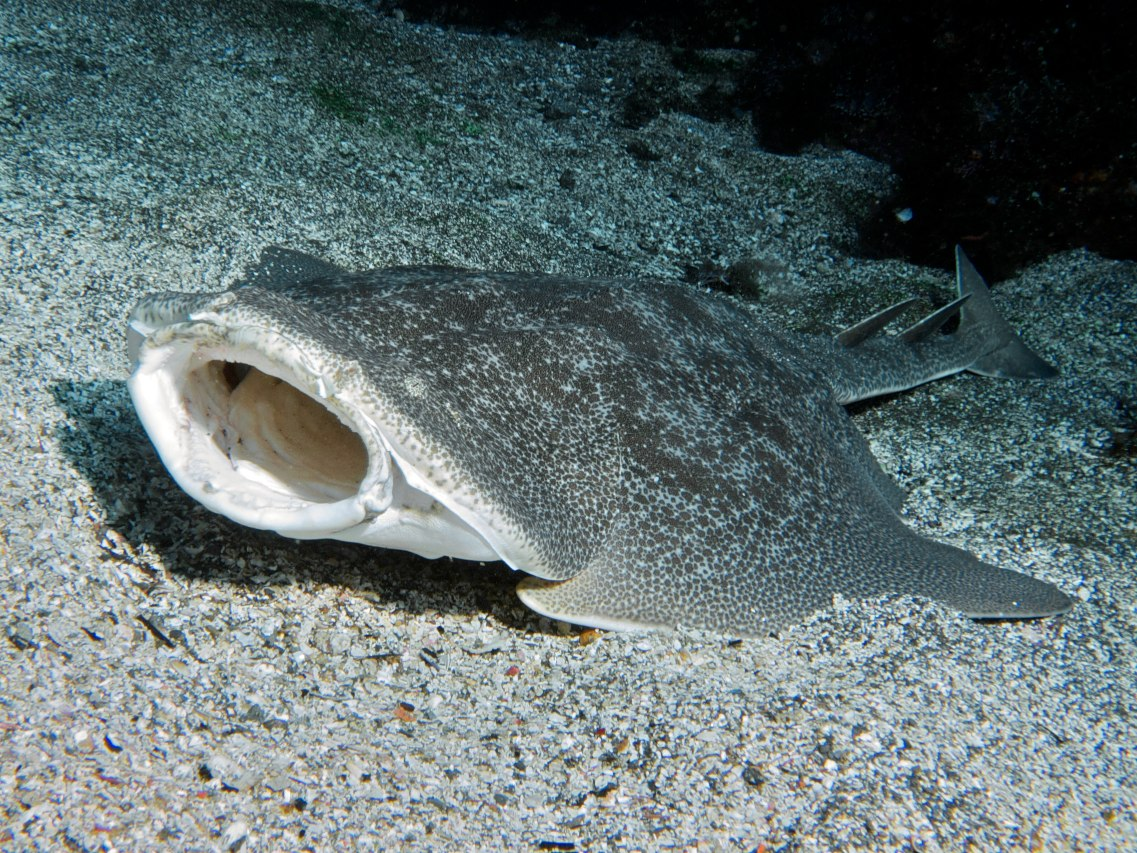
- Ocean floor: Other species are better adapted to the seabed, like angel sharks, which are great at ambushes using camouflage to their advantage.
Temperature
Surface waters, logically, retain more solar heat, while deeper zones have very low temperatures, which forces animals to conserve a lot of energy. Most sharks are poikilothermic (cold-blooded), meaning their body temperature matches the surrounding environment. But sharks like the great white and the mako shark have evolved to the point of being homeothermic (maintaining a consistently elevated temperature regardless of the environment). They have a network of blood vessels that works like a heat exchange system, allowing them to maintain an elevated body temperature.
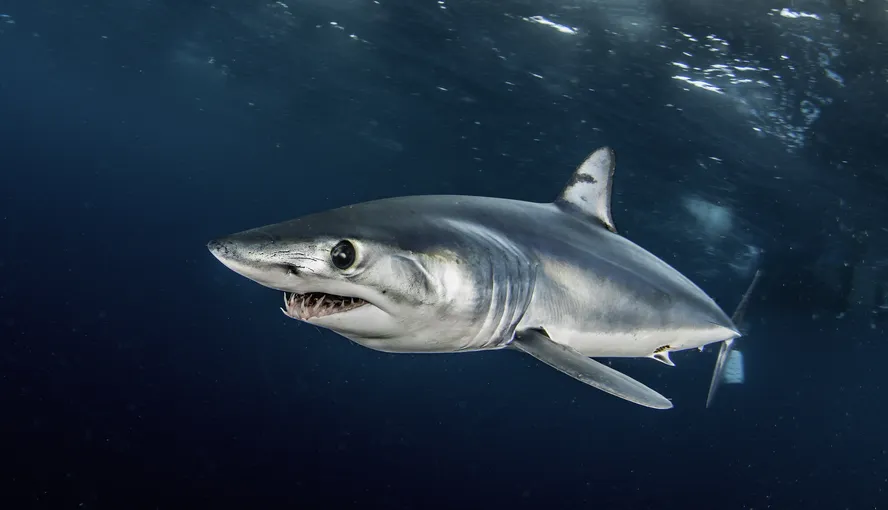
Clear Coastal Waters vs. Murky Estuarine Waters
The visual quality of the water strongly influences hunting tactics. For example, the formidable great white has a much bigger presence in clear waters, with great hunting success thanks to its incredible eyesight. The bull shark, which I mentioned earlier, prefers shallower and murkier waters, relying far less on vision — to compensate, it leans heavily on smell and electroreception.
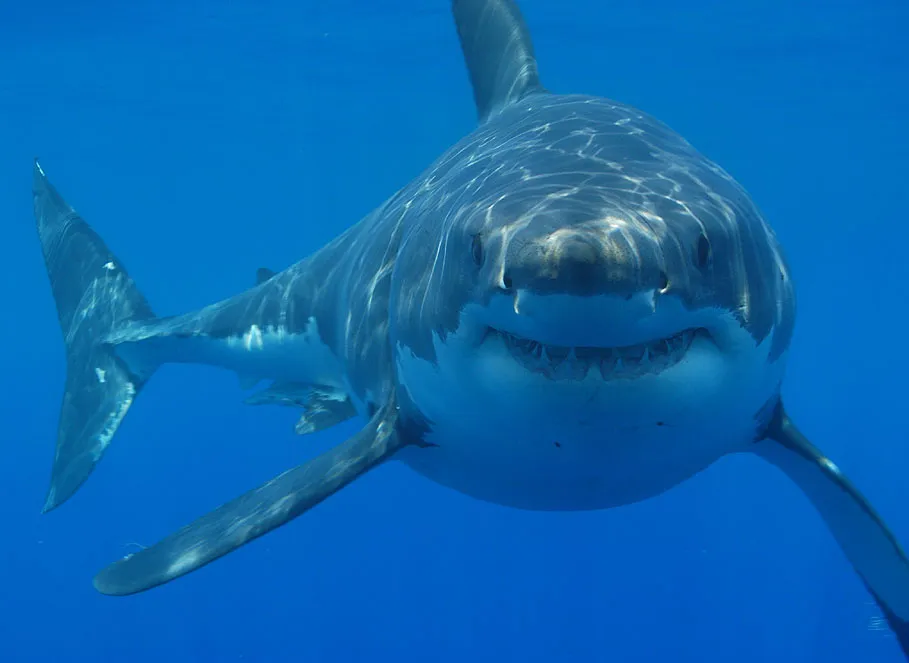
I'll go into more detail about electroreception another time, but basically sharks have what are called Ampullae of Lorenzini in their snouts. With these, they can map tiny electrical fields generated by the heartbeats or movements of hidden prey.
Urbanization and Coastal Habitat Modification
It's no secret that humans want to tear everything down to build skyscrapers — but setting that aside for a moment... the connection here is that the changes humans make to coastlines affect the distribution of marine life and, logically, affect shark behavior and location:
- The destruction of nursery ecosystems, such as the removal of mangroves for infrastructure construction (for example, the Port of Suape in Recife), severely impacts the food chain balance. Without the standard food chain, species like the bull shark (there it is again) and the tiger shark (also among the most dangerous species, alongside the great white and the bull shark) are forced to change their routes in search of new prey, which brings them closer to beaches.

- Recent studies, like one conducted around Miami, found that instead of avoiding metropolitan development and all the associated pollution (chemical, noise, and light), some coastal species (like the hammerhead shark, nurse shark, and bull shark) are actually increasing their presence in urbanized coastal cities, showing adaptation to these new niches.
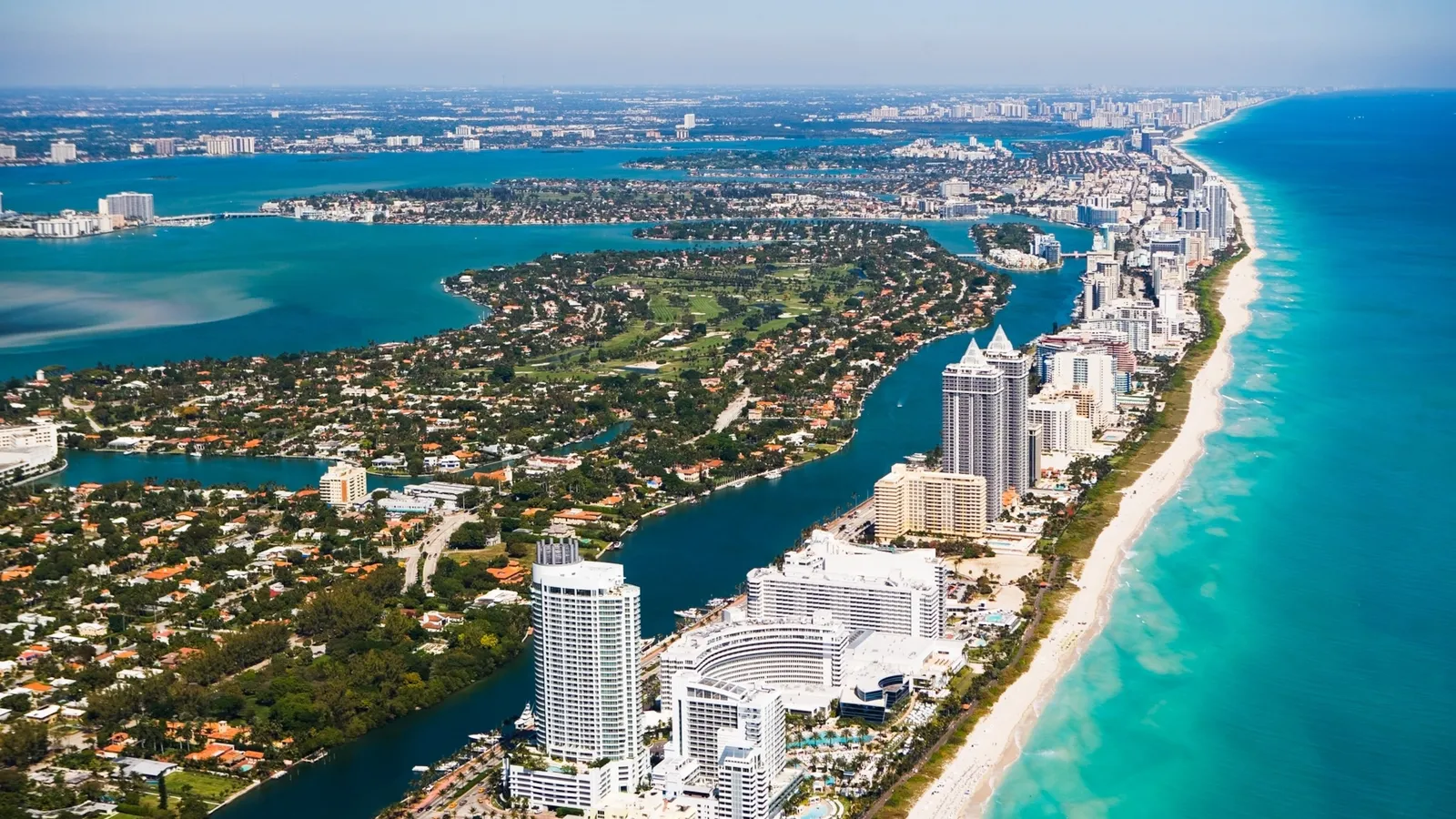
If you'd like to see the original article about the Miami study: https://www.discovery.com/nature/are-sharks-coming-closer-to-our-shores--
Wrapping up
I brought these points up because they're very interesting for observing how the marine environment completely impacts the behavior of these animals. The way nature designs itself walks directly alongside their evolution. I've touched on several things that I'll go deeper into later, but it's really great to have an initial sense of these topics to connect the dots down the road.
Cheers!